Contact

Synthetic Rubber

Synthetic rubber is produced through chemical processes and offers excellent elasticity as well as resistance to heat, oil, and chemicals. It is widely used in the automotive, machinery, and sealing industries. Common types of synthetic rubber include NBR, SBR, and EPDM, which serve as substitutes for natural rubber and can be tailored to meet diverse application requirements.
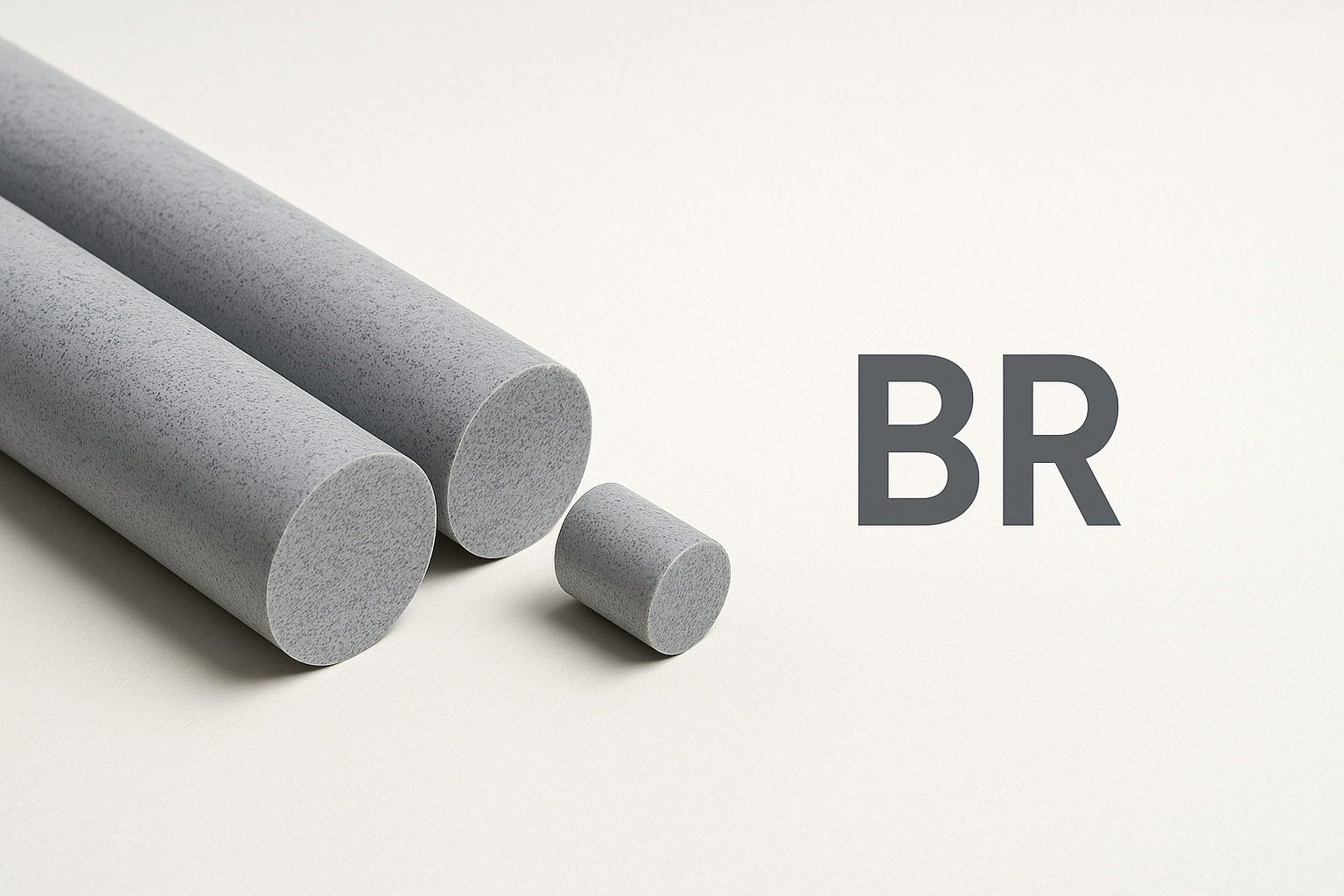
BR (Butadiene Rubber)
BR (Butadiene Rubber) is a synthetic rubber produced by the polymerization of 1,3-butadiene monomer. It is characterized by high elasticity and excellent impact resistance, as well as superior abrasion and wear resistance. With its good resilience, it is suitable for applications that require shock absorption.
Read More
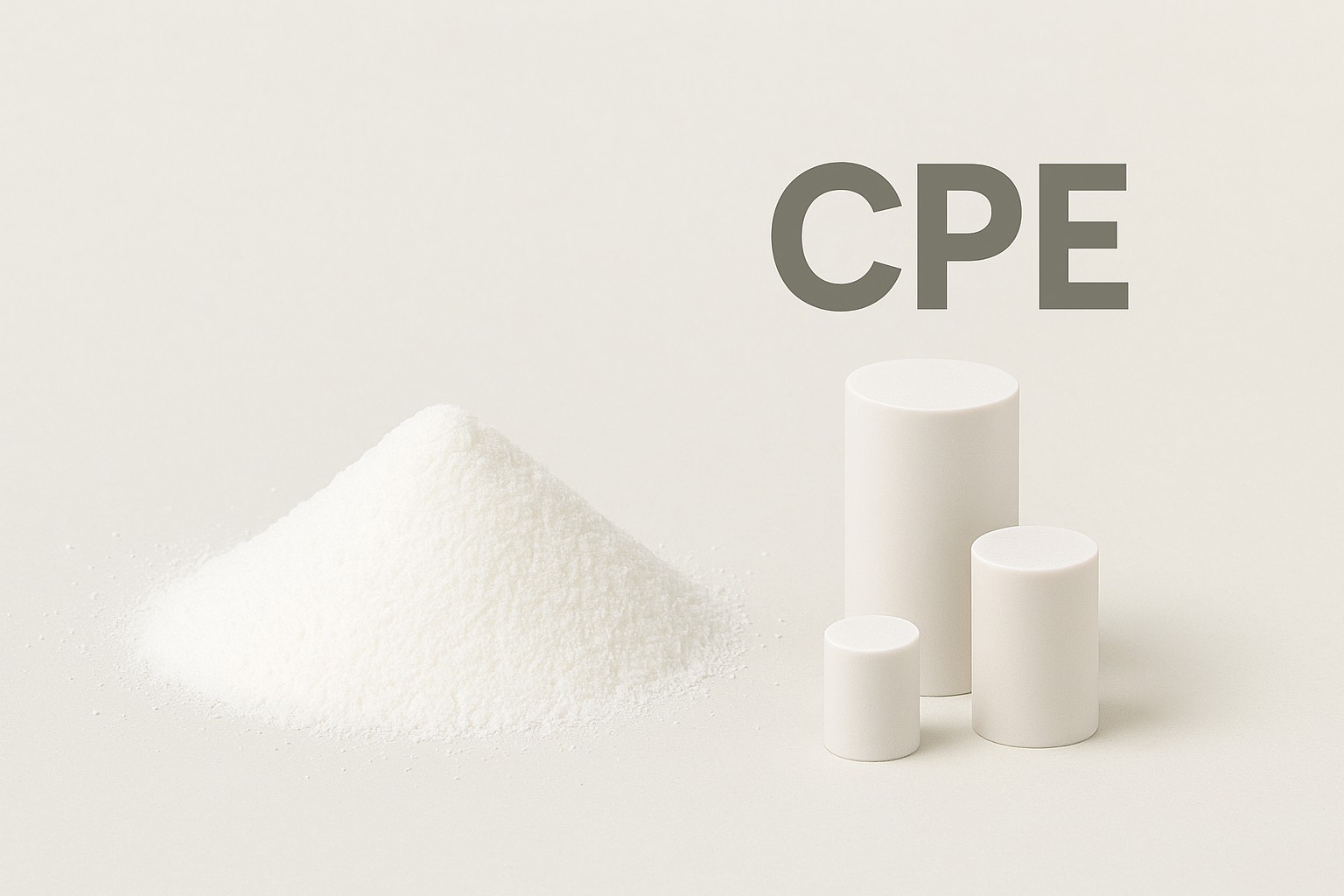
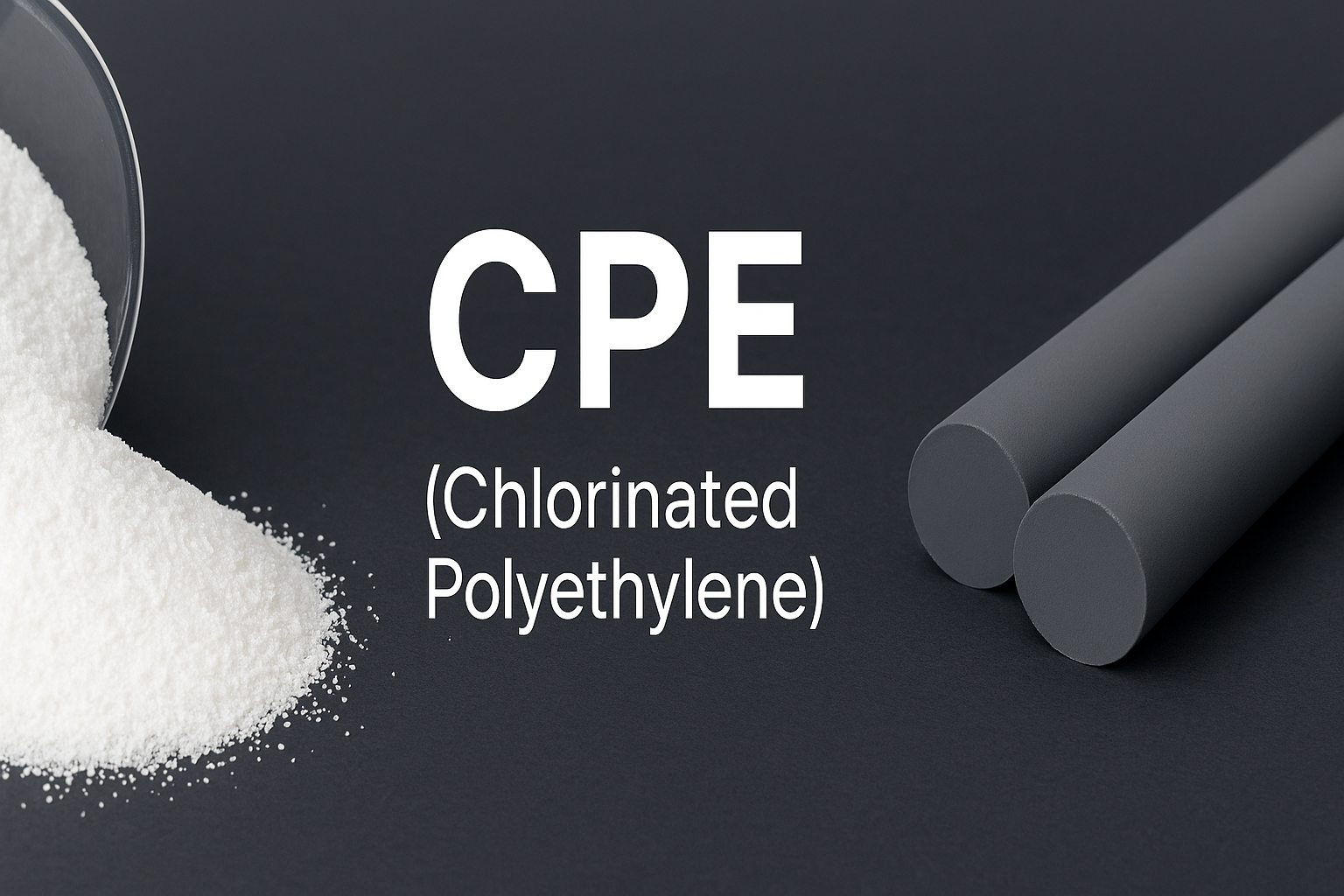
CPE (Chlorinated Polyethylene)
CPE is a synthetic rubber or engineering plastic produced by chlorinating polyethylene (PE) to enhance its heat resistance, chemical resistance, and flexibility.
Read More
CR (Chloroprene Rubber or Neoprene)
CR, or Chloroprene Rubber, is a synthetic rubber made from chloroprene monomer, commercially known as “Neoprene.” It offers moderate oil resistance, excellent resistance to ozone, sunlight, and weathering, as well as good resistance to many chemicals. CR has high mechanical strength, good heat-aging resistance, and is inherently flame-retardant due to the chlorine atoms in its molecular structure. Its applications range from seals, gaskets, conveyor belts, and rubber hoses to wetsuits. It is also used in the construction and cable industries for enhanced durability and safety. The main advantage of CR is its well-balanced properties—combining flexibility, strength, and environmental resistance—making it suitable for long-lasting outdoor applications.
Read More
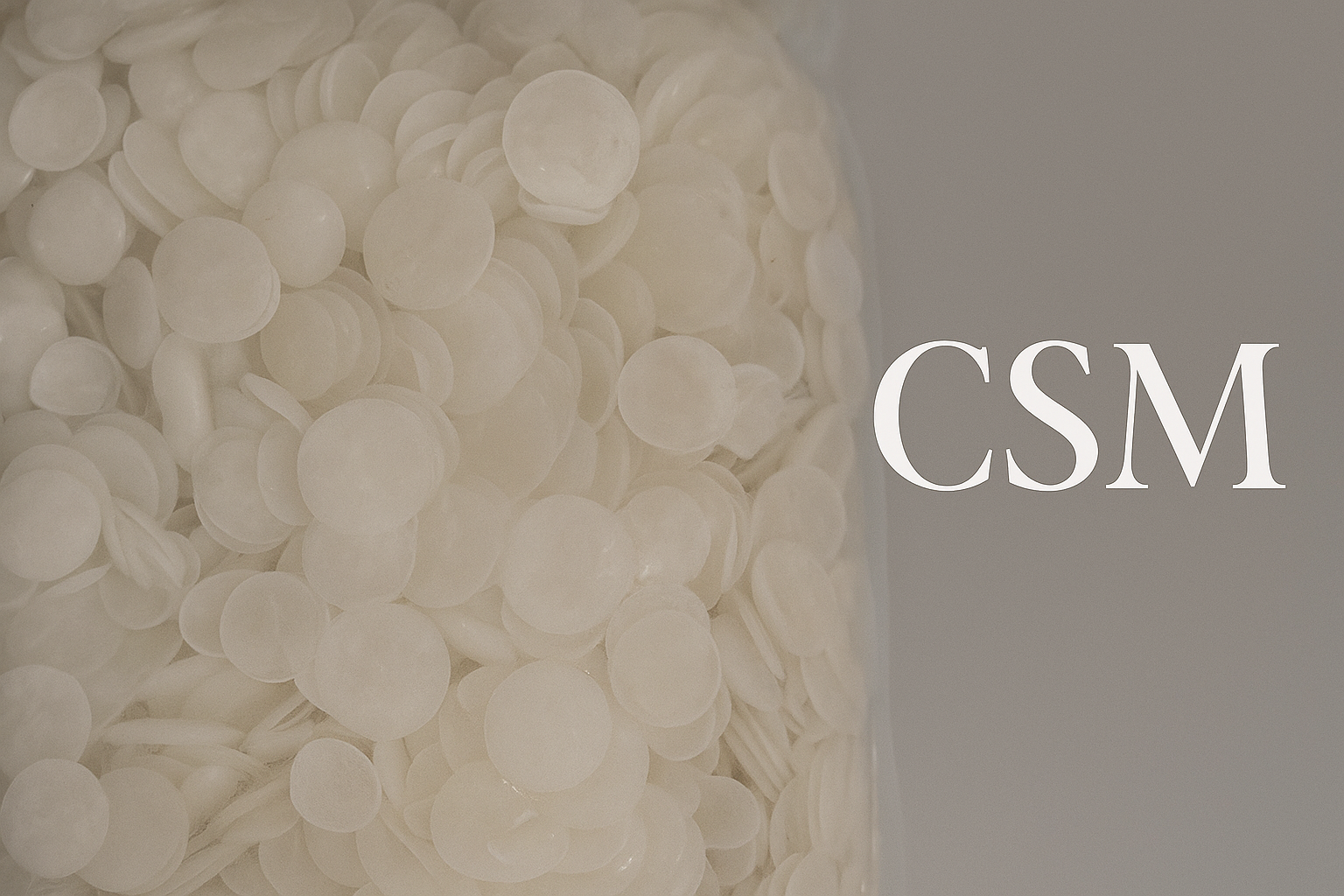
CSM (Chlorosulfonated Polyethylene)
CSM is a synthetic rubber made from polyethylene (PE) through chlorination and the addition of sulfonyl chloride groups, giving it exceptional resistance to weathering, chemicals, and ozone. It is commercially known as Hypalon. CSM offers excellent UV and heat resistance (continuous use around 120–150°C) and cold resistance down to -40°C. It is naturally flame-retardant, self-extinguishing, and produces low smoke, with high mechanical strength and excellent tensile and tear resistance. Common applications include roofing membranes, waterproof tarpaulins, outdoor seals, weather-resistant cable sheathing, chemical-resistant hoses, and industrial tubing. Although more expensive than CR and EPDM, CSM delivers superior durability in outdoor and harsh chemical environments.
Read More
EPDM
EP(D)M elastomers are characterized by excellent aging and weathering resistance, good endurance to both high and low temperature. These properties confer to the vulcanized products outstanding, durable mechanical and elastic properties as well as a good resistance to a large variety of chemicals. Because of their structure, Dutral® K elastomers are typically used in a broad range of applications encompassing automotive whether strips, cables, hoses, polymers and oil viscosity modifiers.
Read More
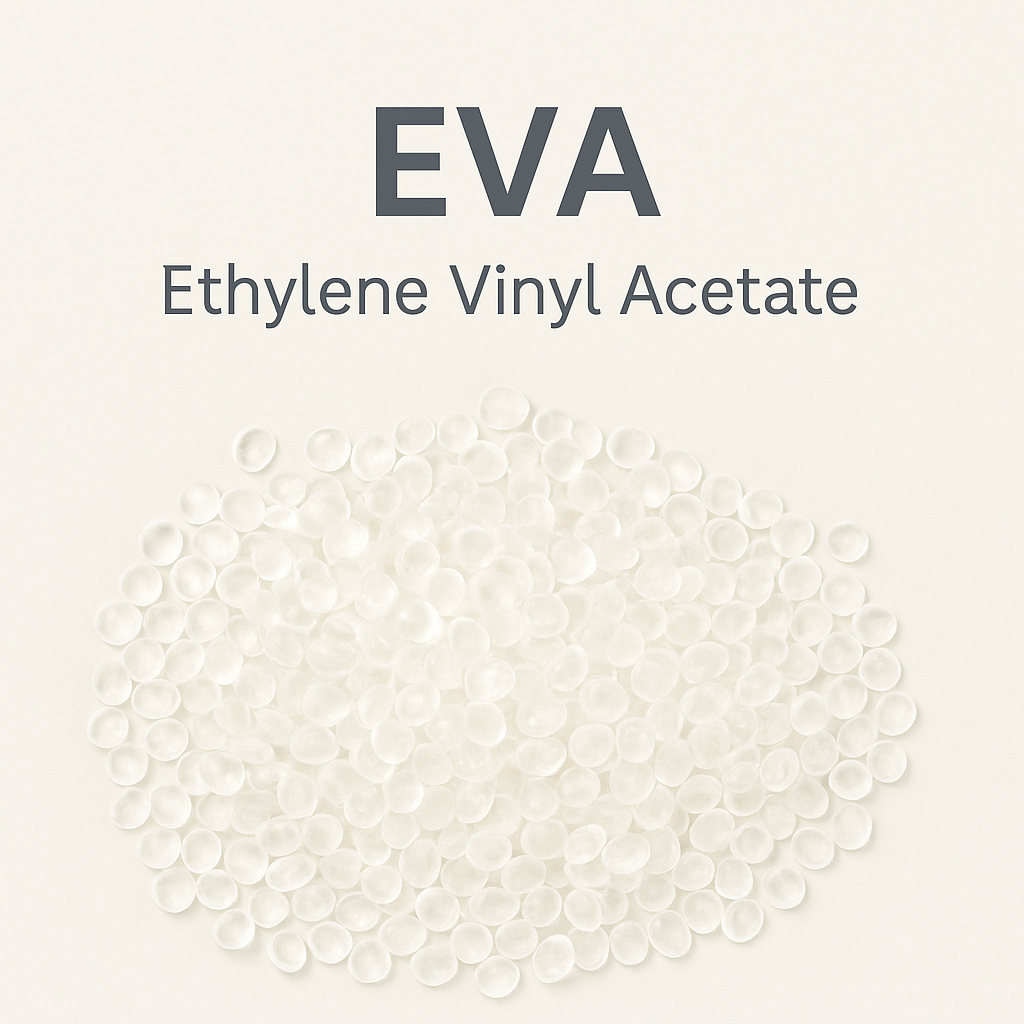
EVA (Ethylene Vinyl Acetate)
EVA (Ethylene Vinyl Acetate) is a thermoplastic polymer obtained through the copolymerization of ethylene and vinyl acetate, with vinyl acetate content typically ranging from 10% to 40%. This composition gives EVA a soft, flexible, and highly impact-resistant nature. Compared to common plastics, EVA exhibits greater transparency and flexibility, along with excellent resistance to UV radiation and weathering, making it suitable for both indoor and outdoor applications. EVA also offers good electrical insulation and water resistance, which expands its use across multiple industries. Common applications include shoe soles, cushioning foam, artificial turf underlays, protective packaging, and automotive components. EVA is also widely used in films and encapsulation layers for solar panels. Additionally, it can be blended with other rubbers or plastics to tailor its properties for specific requirements.
Read More
HNBR (Hydrogenated Nitrile Butadiene Rubber)
HNBR (Hydrogenated Nitrile Butadiene Rubber) is a synthetic rubber derived from hydrogenating NBR, giving it superior resistance to heat, oxidation, and ozone compared to conventional NBR. It offers excellent resistance to fuels, oils, and various chemicals, along with high mechanical strength and outstanding abrasion resistance. HNBR operates effectively across a wide temperature range (–40°C to +150°C), making it suitable for demanding applications. It is widely used in seals, O-rings, gaskets, timing belts, and automotive as well as oil & gas industry components where durability and reliability are critical.
Read More
NBR/PVC
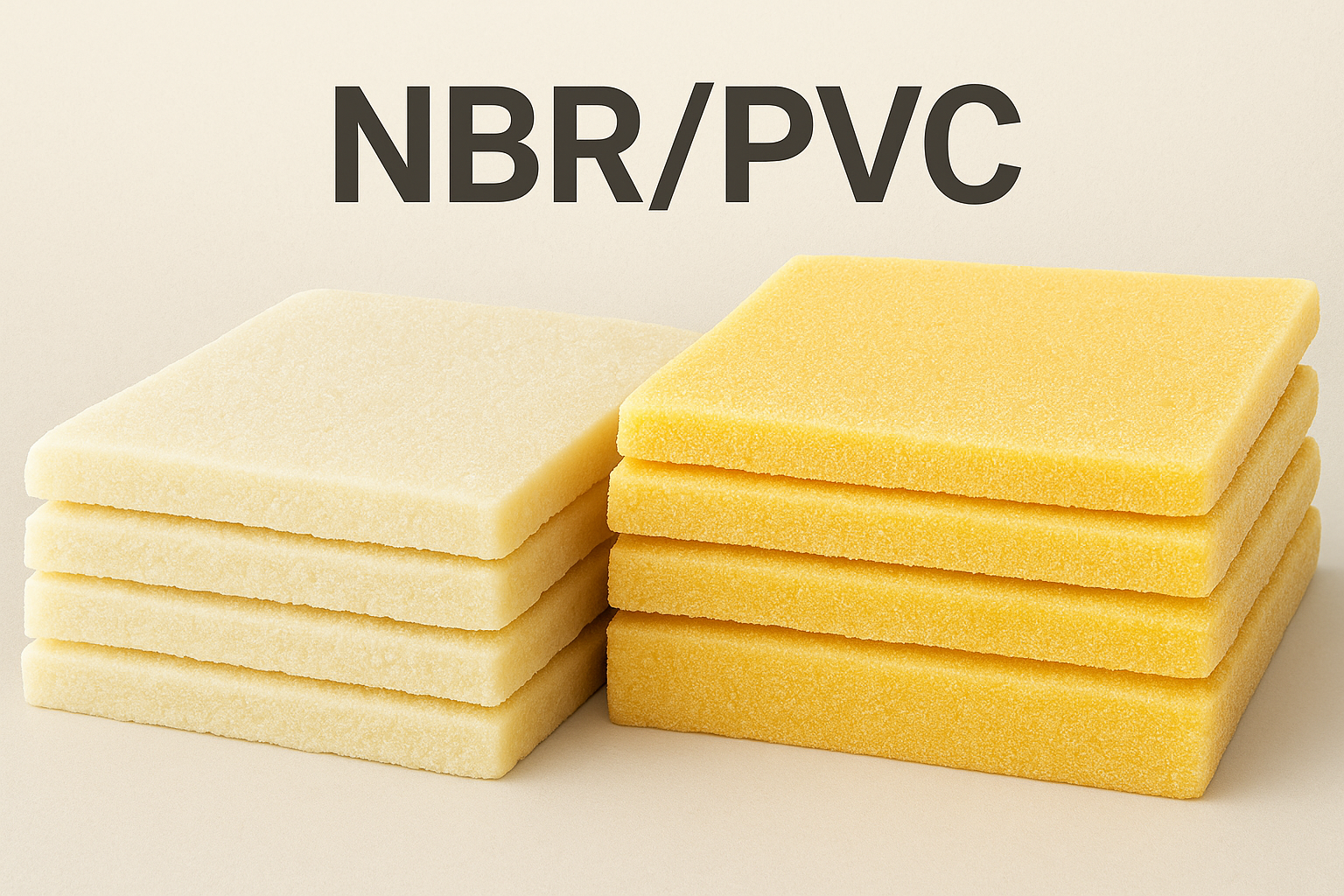
NBR/PVC is a blend of nitrile butadiene rubber (NBR) and polyvinyl chloride (PVC), combining the advantages of both materials. NBR offers excellent resistance to oils, fuels, and chemicals, while PVC provides strong resistance to ozone, sunlight, and weathering. The combination results in a highly durable material with superior environmental degradation resistance while maintaining good flexibility. NBR/PVC exhibits improved flame resistance compared to NBR alone and has low gas permeability. It is widely used in automotive industries, oil hoses, seals, gaskets, cables, and other products that require strong resistance to chemicals and harsh environmental conditions.
Read More
NBR
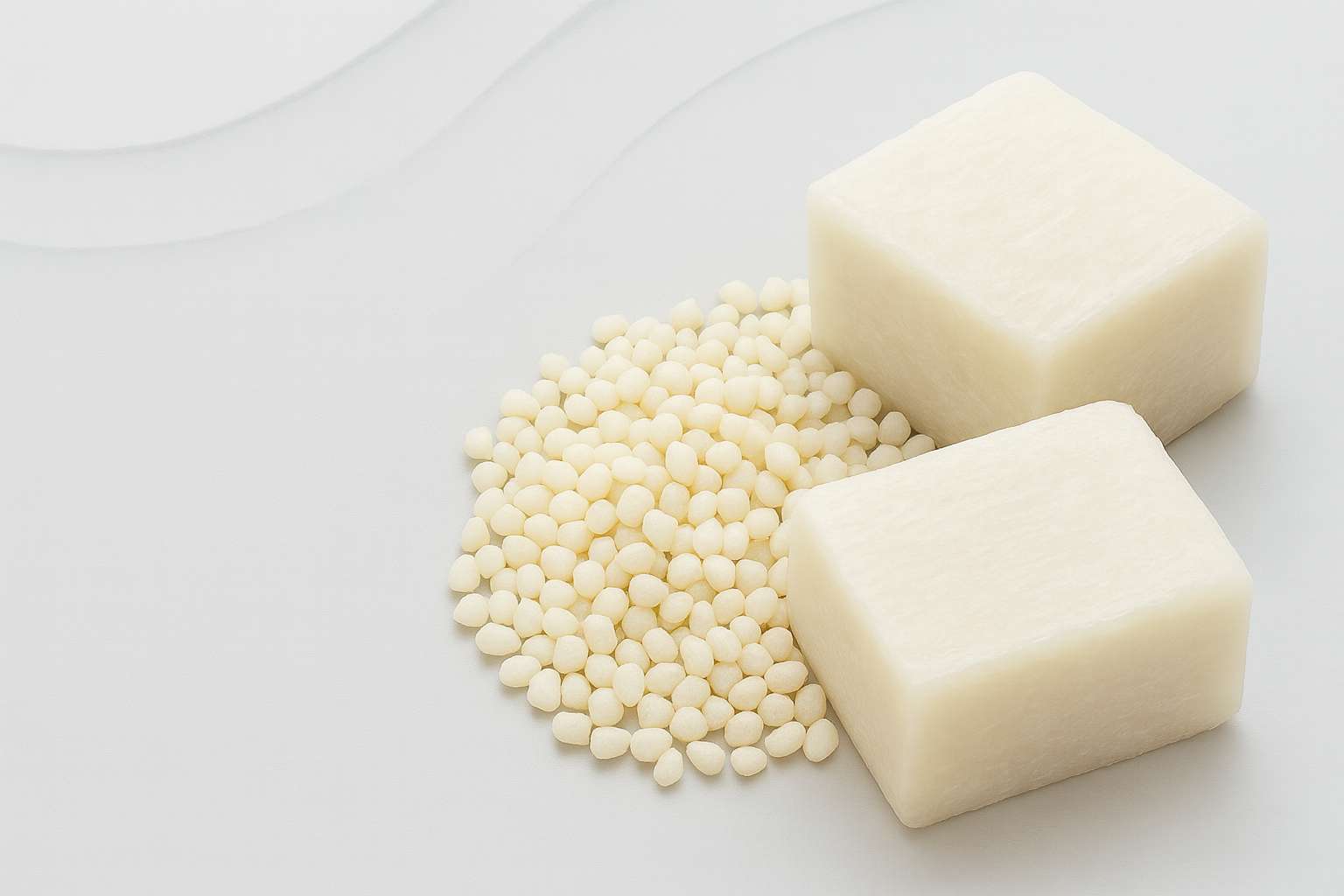
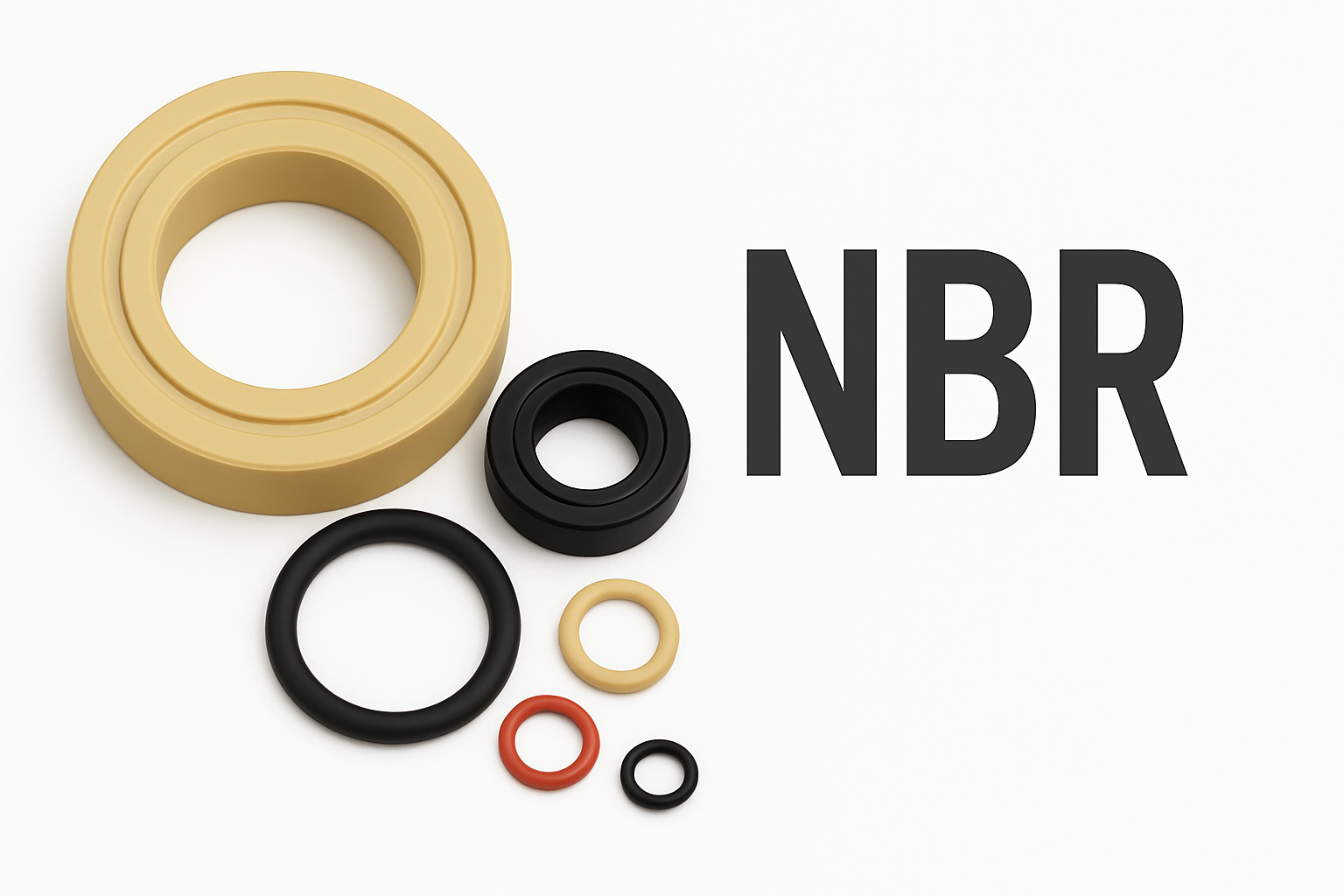
NBR stands for Nitrile Butadiene Rubber, a widely used synthetic rubber made by the copolymerization of Acrylonitrile (AN) and Butadiene (BD).
Read More
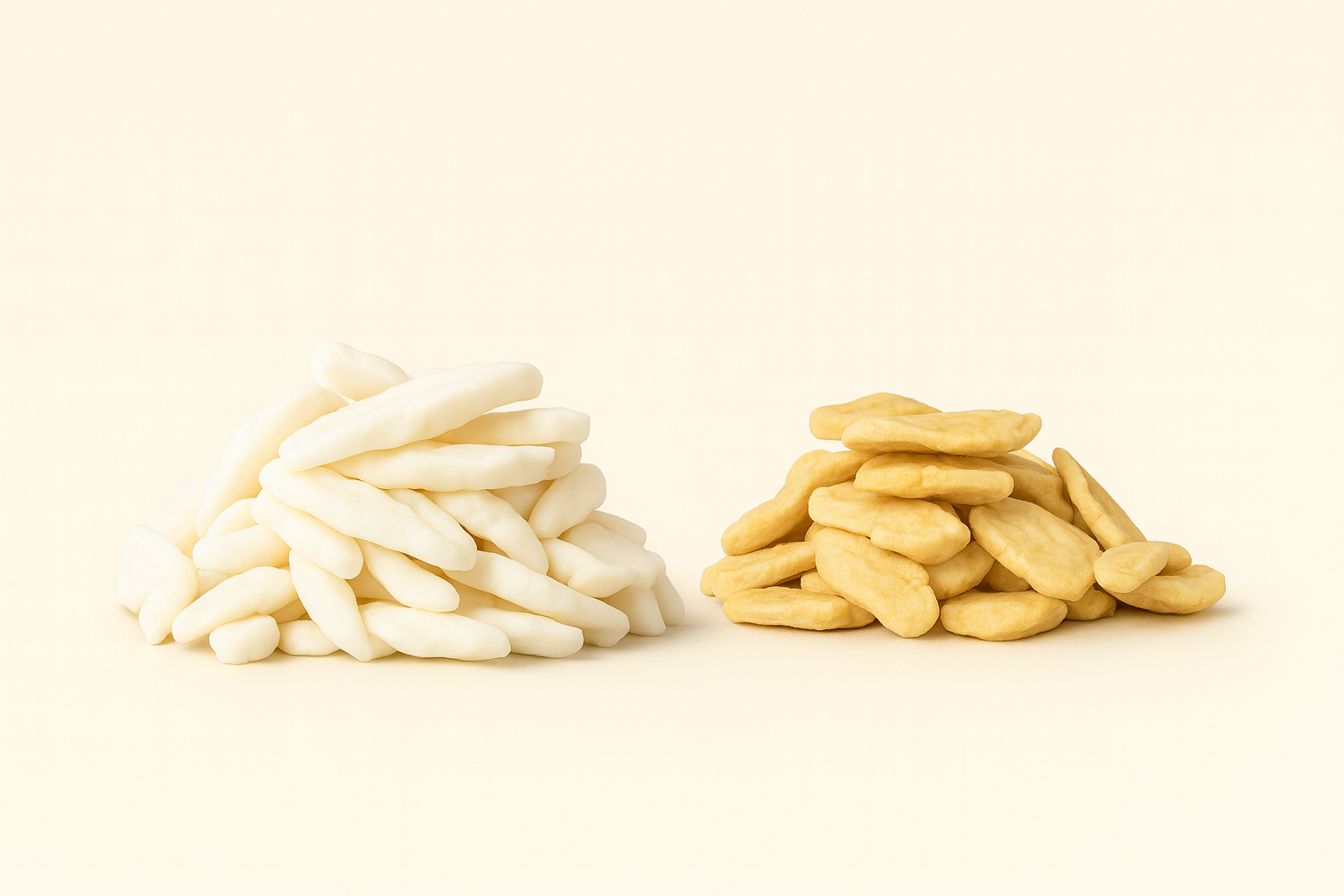
Powder NBR (Powder Nitrile Butadiene Rubber)
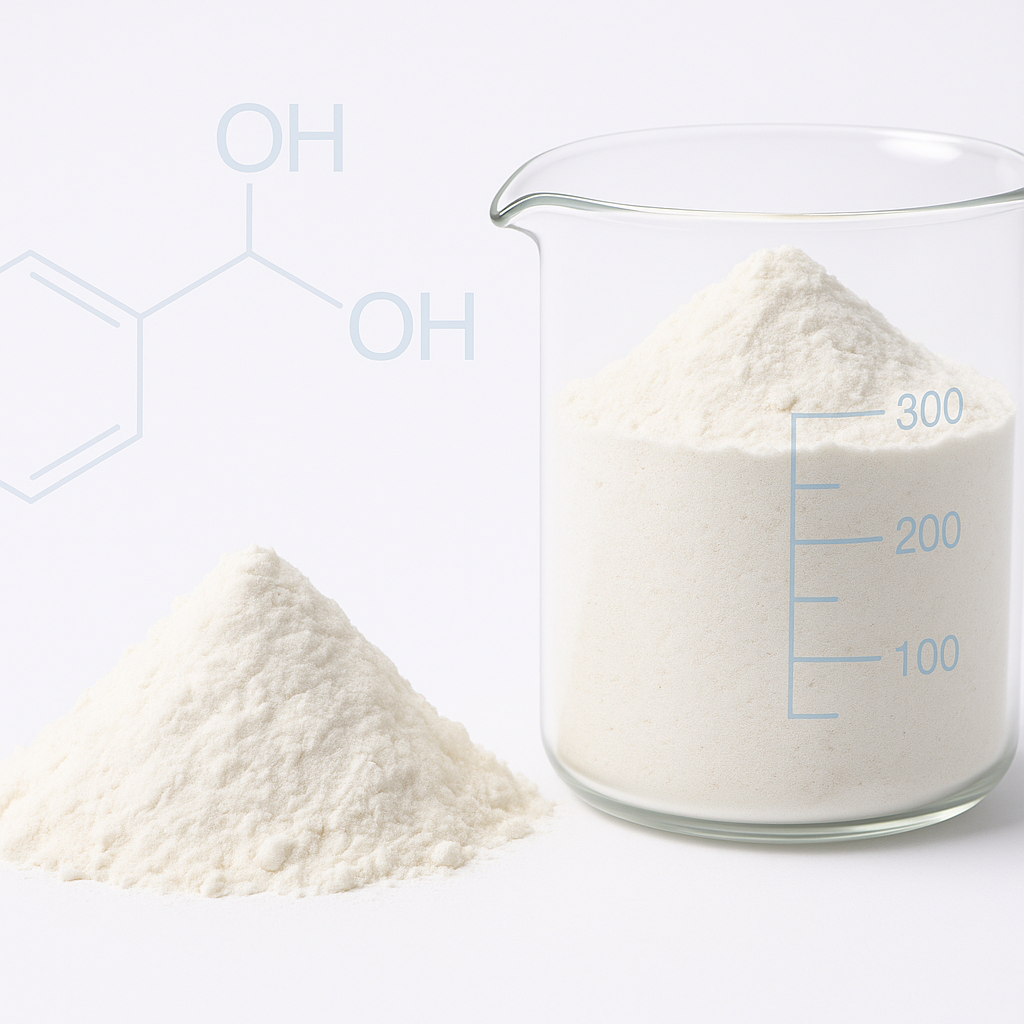
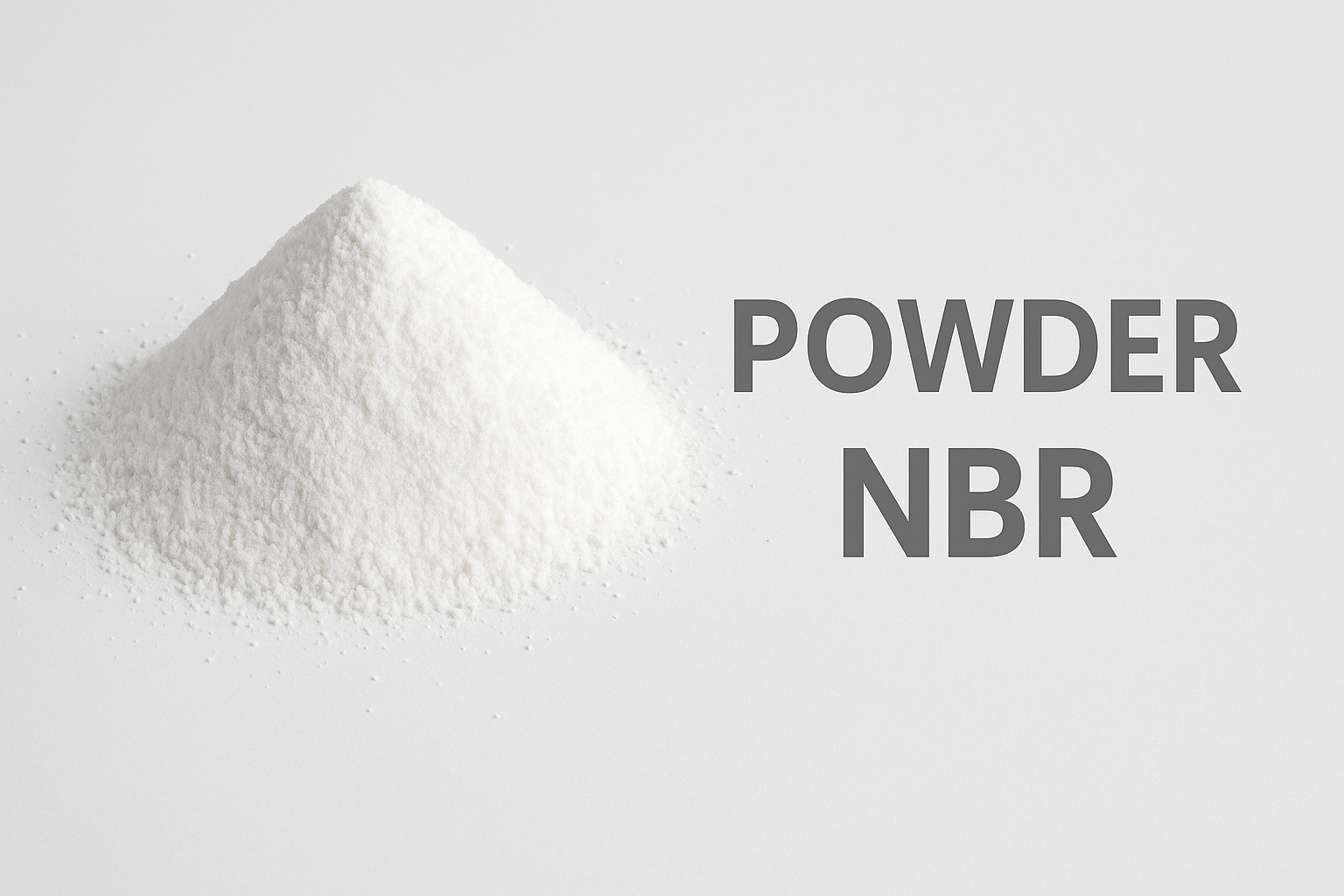
Powder NBR (Powder Nitrile Butadiene Rubber) is a powdered form of nitrile butadiene rubber, designed for ease of blending with other materials, particularly in the plastics and rubber industries. It is highly resistant to fuels, lubricating oils, and various chemicals, while also enhancing abrasion resistance and mechanical strength. Due to its fine powder form, it offers a high surface area and disperses evenly within the base material, ensuring uniform physical properties. Powder NBR is widely used in PVC, ABS, HIPS, and other resins to improve flexibility and impact resistance. It is also applied in seals, O-rings, rubber hoses, and components requiring oil resistance. Its combination of oil resistance, wear resistance, and ease of processing makes it a versatile additive in both industrial and consumer applications.
Read More
SSBR (Solution Styrene-Butadiene Rubber)
SSBR is a type of synthetic rubber produced through the solution polymerization process, made from styrene and butadiene monomers. This rubber has been developed to provide a balanced combination of durability, grip, and low rolling resistance (energy saving).
Read More
ติดต่อเรา